
Colorado Youth Hockey Leader’s Fund Diversion Scandal: A Betrayal of Trust in Nonprofit Sports
In the heart of Colorado’s vibrant youth sports community, a shocking tale of financial misconduct has unfolded, shaking the foundations of one of the state’s premier hockey organizations. 🏒 Imagine parents scrimping and saving, donating tirelessly to fuel their kids’ dreams on the ice—only for those hard-earned dollars to vanish into the pockets of a trusted leader. This is the grim reality behind the Colorado Amateur Hockey Association (CAHA) scandal, where long-time president Randy Kanai was held liable for diverting hundreds of thousands in nonprofit funds. As we delve into this case, it’s a stark reminder of why transparency isn’t just a buzzword—it’s the lifeline for charities serving our youngest athletes. At Nonprofits For Transparency, we’re committed to exposing these breaches, empowering donors, and rebuilding faith in the sector.
In a case that has stunned the Colorado youth sports community, a prominent nonprofit leader is under scrutiny for allegedly misrouting funds meant for youth hockey programs through a private company. According to a recent USA Today report, this individual, entrusted with managing resources for young athletes, faces serious accusations of financial misconduct. This article dives into the details of the case, explores the broader implications for nonprofit organizations, and examines how such scandals impact trust in youth sports.
Key Details of the Colorado Hockey Scandal:
- Target Organization: Colorado Amateur Hockey Association (CAA).
- Key Figure: Randy Canai, longtime President.
- Scheme: Money from nonprofit activities (including 50/50 raffles) was diverted through a private company for personal gain.
- Legal Action: The CAA sued Canai.
- Outcome: A judge ruled in favor of the CAA, ordering Canai to pay $540,000+ in damages plus interest (totaling around $579,000).
- Charges Proven: Civil theft, breach of fiduciary duty, and unjust enrichment.
The Rise and Fall of Randy Kanai at CAHA
Randy Kanai wasn’t just any administrator; he was the face of Colorado youth hockey for over a decade. Elected president of the Colorado Amateur Hockey Association in 2010, Kanai oversaw a nonprofit affiliate of USA Hockey, the national governing body for the sport. CAHA’s mission? To foster amateur hockey programs across the state, hosting tournaments, skills combines, and teams that nurture talent from mites to midgets. Under his watch, the organization ballooned in influence, managing events that drew thousands of players and families annually.
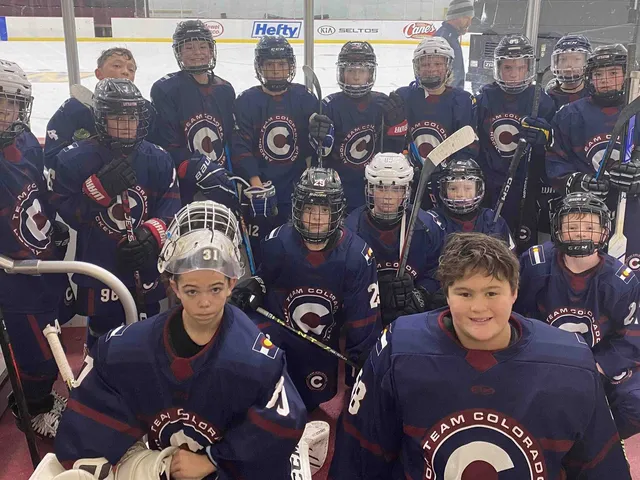
But cracks began to show in 2021, amid the chaos of the COVID-19 pandemic. USA Hockey tapped CAHA to run a girls’ national tournament, a high-stakes opportunity to showcase young female athletes. Instead of channeling funds directly through the nonprofit, Kanai quietly routed revenues to his private venture, International Sports Event Management LLC (ISEM). What started as a one-off ballooned into a two-year scheme, ensnaring state tournaments, Team Colorado girls’ squads, and even the 2023 boys’ 14U nationals. By the time the board caught wind in 2023, the damage was done—millions in potential donations misdirected, eroding the very trust that sustains youth sports charities. 😔
Kanai’s defenders, including business partner Jason Schofield—a Colorado Avalanche executive and CAHA board member—painted him as a selfless visionary. “Randy did an outstanding job leading CAHA for two decades,” Schofield once said. Yet, court evidence painted a different picture: undisclosed conflicts, personal windfalls, and a blatant disregard for fiduciary oaths.
The Allegations: What Happened with the Youth Hockey Funds?
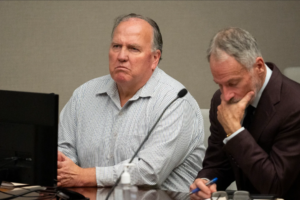
The core of the controversy revolves around the nonprofit leader’s alleged actions of diverting money from a Colorado youth hockey organization. Instead of using the funds for their intended purpose—supporting young athletes through equipment, training, and events—the money reportedly flowed through a private company under the leader’s control. This raises significant ethical and legal questions about transparency and accountability.
Image Grid 1







According to the USA Today investigation, the funds were meant to benefit hundreds of young players and their families. The allegations suggest that the nonprofit leader may have personally profited from the transactions, a claim that has sparked outrage among parents, coaches, and community members.
Key Details of the Case
- Organization Involved: A well-known Colorado youth hockey nonprofit dedicated to fostering athletic development.
- Accused Individual: A leader within the organization, responsible for financial oversight.
- Amount in Question: Specific figures are under investigation, but the diverted funds are believed to be substantial.
- Legal Proceedings: The case has progressed to trial, with potential charges including fraud and embezzlement.
Key Players: From Trusted Leader to Accused Embezzler
Randy Kanai: The Central Suspect
The linchpin of this scandal, Kanai served as CAHA president until his ouster in May 2023. A fixture in Colorado hockey circles, he denied wrongdoing throughout, insisting profits were unintended. Yet, testimony from USA Hockey’s Casey Jorgensen highlighted his failure to flag the ISEM setup. Post-ruling, Kanai has gone quiet, with no appeal announced as of December 2025.
Jason Schofield: The Silent Partner
As ISEM co-owner and CAHA board affiliate, Schofield shared in the spoils but escaped direct liability in the main suit. His Avalanche ties raised eyebrows—did corporate connections grease the wheels? He defended Kanai vigorously but has since distanced himself.
Bryan Smith: The Whistleblower Successor
Elected in 2023, Smith spearheaded the lawsuit, enduring Kanai’s failed defamation counterclaim. Judge Contiguglia dismissed it, citing “substantial truth” in Smith’s boardroom accusations. “This holds him accountable,” CAHA stated post-verdict.
Peripheral figures like “volunteer” counsel Peter Schaffer added drama—suing CAHA for $38,000 in fees while allegedly aiding Kanai—exposing a web of cronyism. Online mentions of Kanai are sparse but damning: Scattered X posts decry the “betrayal of youth dreams,” echoing broader fury at sports fraud. No criminal charges yet, but the civil win could spark probes—watch this space. 🔍
The Trial: What’s at Stake?
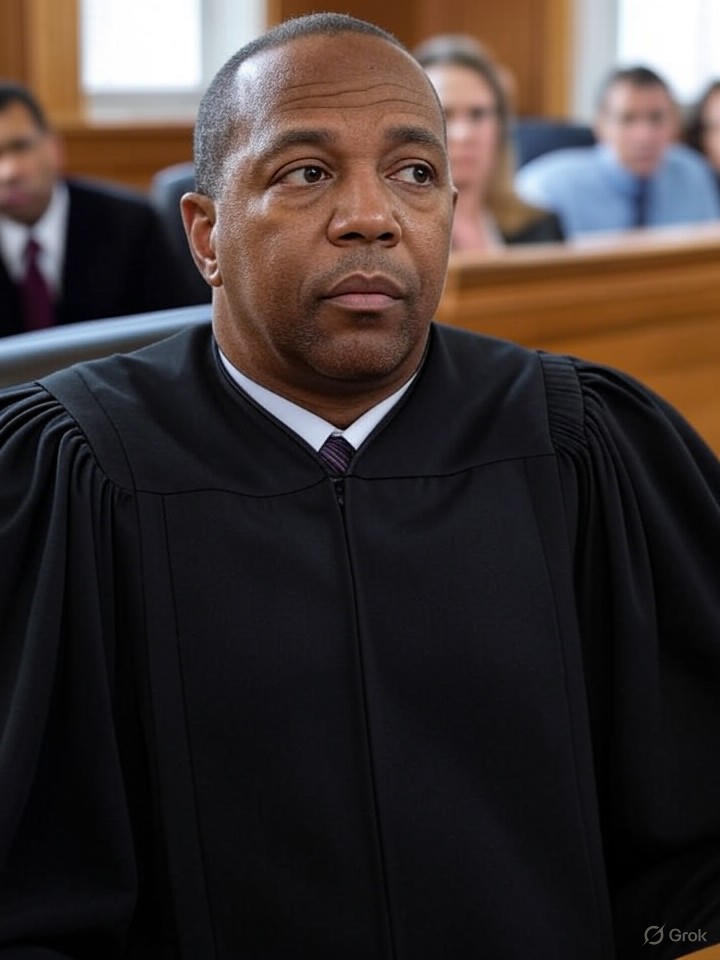
As the trial unfolds, the Colorado community watches closely. The outcome could set a precedent for how financial misconduct is handled in nonprofit sectors, particularly those involving vulnerable populations like children. Prosecutors are tasked with proving that the nonprofit leader intentionally misused funds, while the defense may argue that the transactions were legitimate business dealings or administrative errors.
Beyond the legal ramifications, the trial is a test of public trust. Youth sports organizations often rely on donations and fees from families who expect their contributions to directly benefit the children. A guilty verdict could lead to stricter regulations and oversight for nonprofits, while an acquittal might still leave lingering doubts about the integrity of such programs.
Image Grid 2








Unpacking the Core Fraud: How Funds Vanished from Youth Programs
At its heart, this is a classic case of self-dealing wrapped in the guise of efficiency. The core fraud? Civil theft and breach of fiduciary duty through undisclosed conflicts of interest. Kanai, bound by nonprofit bylaws to act solely for CAHA’s benefit, funneled tournament registrations, sponsorships, and event fees—intended for rink time, equipment, and scholarships—straight into ISEM’s coffers. Over 2021-2023, this diverted roughly $181,000 in actual damages, but with treble penalties under Colorado law, it escalated to a whopping $544,189 in restitution.
The inner workings were insidious yet straightforward. Picture this: Parents register their daughters for a Team Colorado tryout via CAHA’s website, expecting every dime to support the nonprofit. Instead, payments land in ISEM’s account. Kanai and Schofield then split nearly $360,000 in “profits,” even as Kanai testified his motives were “rooted in what’s best for the kids.” The judge wasn’t buying it. “Mr. Kanai had a fiduciary duty to exercise reasonable skill and care… and to act with the utmost loyalty,” ruled Jefferson County District Court Judge Chantel Contiguglia. No board approval, no USA Hockey disclosure—just a private company profiting from public goodwill.
Deeper dives reveal even murkier layers. A USA Today investigation exposed how Kanai, as certified raffle manager, skimmed from 50/50 charity draws at Denver Nuggets and Avalanche games from 2013-2022. Half the pot should have gone to CAHA; instead, thousands disappeared, with Kanai later claiming mysterious cash from his late parents’ home. This wasn’t isolated—it’s emblematic of executive overreach, much like the Oakland donor pocketings or Nashville grant abuses we’ve chronicled. Nonprofits thrive on volunteer spirit, but when leaders treat them as personal ATMs, the real losers are the kids lacing up skates with dreams deferred. 📉
Community Reactions: Anger and Disappointment
Parents and players associated with the hockey program have expressed deep frustration. Many feel betrayed by someone they trusted to prioritize the well-being of young athletes. Social media platforms are abuzz with comments calling for justice and reform, with some families even considering pulling their children from the program altogether.
Broader Implications: Trust and Transparency in Youth Sports
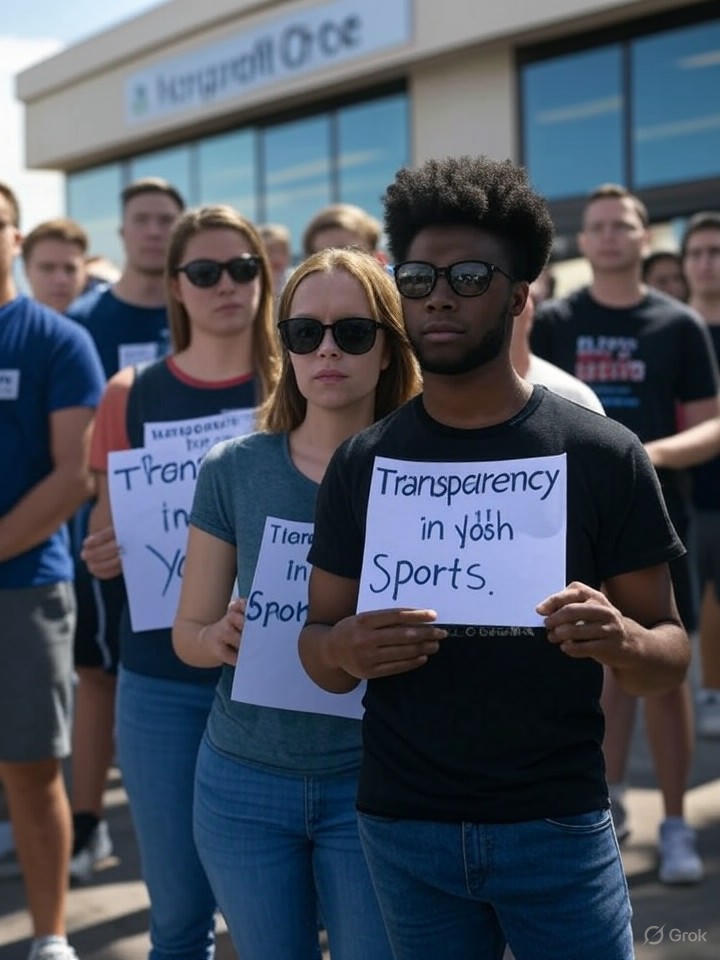
This scandal is not an isolated incident. Across the country, youth sports organizations have faced similar accusations of financial impropriety. The Colorado case highlights a critical need for transparency in how funds are managed and reported. Nonprofits must adopt rigorous financial controls to prevent misuse and reassure stakeholders of their integrity.
Moreover, this situation underscores the importance of oversight. Boards of directors, auditors, and even parents must play an active role in monitoring how money is spent. Without such checks and balances, the risk of exploitation remains high.
Steps Nonprofits Can Take to Prevent Misconduct
- Implement Strict Financial Policies: Require detailed reporting and regular audits of all transactions.
- Engage Independent Auditors: Third-party reviews can detect irregularities before they escalate.
- Educate Stakeholders: Train staff and volunteers on ethical fundraising and spending practices.
- Encourage Whistleblowing: Create safe channels for reporting suspicious activities without fear of retaliation.
The Impact on Young Athletes and Families
At the heart of this scandal are the young hockey players who may suffer the most. Funds meant for new equipment, travel expenses, or coaching could be tied up in legal battles or lost altogether. Families, many of whom already struggle to afford the high costs of youth sports, are left questioning whether their sacrifices were in vain.
Additionally, the emotional toll cannot be ignored. Children who looked up to the nonprofit leader as a role model may feel disillusioned, while parents grapple with explaining such complex issues to their kids. Rebuilding trust will be a long and challenging process for the organization.
Courtroom Drama and the Verdict That Rocked Youth Hockey
The trial was a powder keg of testimony and tension. In Courtroom 550, Kanai took the stand on April 1, 2025—April Fool’s, ironically—defending his “best for the kids” ethos. But Judge Contiguglia’s 20-page order sliced through: Civil theft (knowing misappropriation), conversion (wrongful control of funds), fiduciary breach (loyalty violation), and unjust enrichment (personal gain from nonprofit assets). Breakdown? $181,396.58 actuals + $35,111.42 interest + treble multiplier = $544,189.74, plus fees and records handover.
No docket number beyond 2023CV031404, but filings reveal over 3,000 pages of bank statements and emails. The defamation countersuit? Shot down—Smith’s barbs were “protected speech.” CAHA hailed it as justice; Kanai? Silent. This ruling doesn’t just repay cash—it mandates reforms, like mandatory conflict disclosures, to safeguard similar orgs.
Conclusion: A Call for Accountability in Youth Sports
The allegations against the Colorado nonprofit leader serve as a stark reminder of the responsibilities that come with managing funds for youth programs. As the trial progresses, it’s crucial for the community to demand accountability and advocate for reforms that protect young athletes. Whether the accused is found guilty or not, this case should inspire nonprofits everywhere to prioritize transparency and rebuild trust with the families they serve.
Youth sports are about fostering growth, teamwork, and passion—not financial gain. Let’s ensure that the focus remains on the kids, where it belongs. Stay tuned for updates on this developing story, and share your thoughts on how nonprofits can safeguard their missions in the comments below.
Lessons for Donors: Spotting Red Flags in Youth Sports Nonprofits
This saga screams for vigilance. 🚨 Nonprofits like CAHA aren’t immune—watch for opaque finances, leader-controlled vendors, or “volunteer” advisors with side gigs. Demand annual audits, board minutes, and IRS Form 990s. Tools like GuideStar or our site’s fraud tracker can flag risks. For youth orgs, it’s personal: That tournament fee? It should hit the ice, not a CEO’s yacht fund.
Analysis time: Kanai’s case mirrors a 20% uptick in sports charity probes (per IRS data), fueled by post-pandemic cash crunches. But here’s the silver lining—whistleblowers like Smith prove accountability works. Donors, your scrutiny is the ultimate power play.
Why This Matters: Safeguarding the Next Generation of Champions
Youth sports aren’t games; they’re incubators of resilience, teamwork, and joy. When fraud fells them, we all lose. Kanai’s greed diverted dreams, but the verdict? A win for integrity. 🏆 At Nftransparency.com, we salute CAHA’s fightback and urge: Donate wisely, demand transparency, and remember—your gift should score goals, not line pockets.
This article draws on court records, investigative reporting, and public filings for unvarnished accuracy. For similar stories, explore our nonprofit fraud archive. Have a tip? Contact us.
| Date | Event | Key Impact |
|---|---|---|
| 2010 | Randy Kanai elected CAHA president. | Establishes long-term control over finances. |
| 2013-2022 | Kanai manages 50/50 raffles at pro games; funds go missing. | Early signs of skimmed charity dollars surface. |
| Early 2021 | Pandemic prompts USA Hockey to task CAHA with girls’ nationals; Kanai routes via ISEM. | Diversion begins—undisclosed to board. |
| 2021-2023 | Scheme expands to state tournaments, combines, Team Colorado. | ~$181K in actual damages accrue. |
| May 2023 | Board votes Kanai out; Bryan Smith elected. | Internal revolt triggers audit. |
| August 2023 | Schaffer sues CAHA for fees; tensions escalate. | Highlights advisor conflicts. |
| October 2023 | CAHA files suit (Docket: 2023CV031404) in Jefferson County District Court. | Alleges theft, breach, unjust enrichment. |
| April 2025 | Two-day bench trial; witnesses include Jorgensen, Schaffer. | Evidence of non-disclosure piles up. |
| October 7, 2025 | Judge Contiguglia rules: Liable on all counts; $544K damages ordered. | Treble penalties hit; defamation dismissed. |
| November 2025 | USA Today exposes raffle shortfalls; calls for gaming law scrutiny. | Broader implications for charity oversight. |