
BLM Charity Fraud Case Synopsis
On September 22, 2025, Monica Cannon-Grant, co-founder of the Black Lives Matter-affiliated nonprofit Violence in Boston, pleaded guilty to 18 federal charges in Boston, including three counts of wire fraud conspiracy, 10 counts of wire fraud, one count of mail fraud, and two counts each of filing false tax returns and failing to file tax returns. The case centers on the misappropriation of over $1 million in donor funds and public grants intended for social justice and anti-violence initiatives, which were diverted for personal luxuries such as vacations, shopping, rent, and vehicle expenses. As part of a plea deal, nine mortgage fraud counts were dismissed, with prosecutors recommending a low-end sentence of approximately 18 months, while her defense may seek probation. Sentencing is scheduled for January 29, 2026, before U.S. District Judge Angel Kelley.
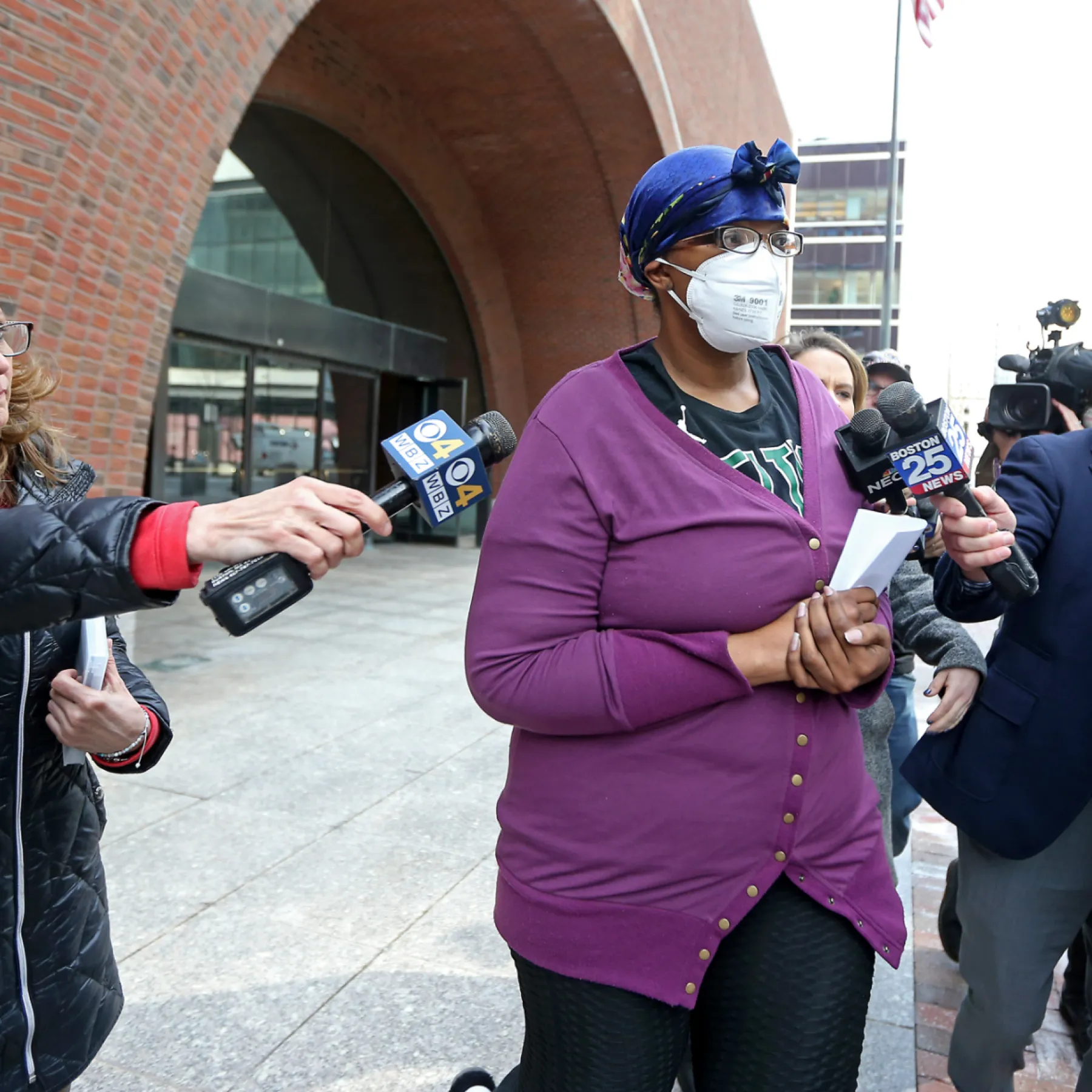
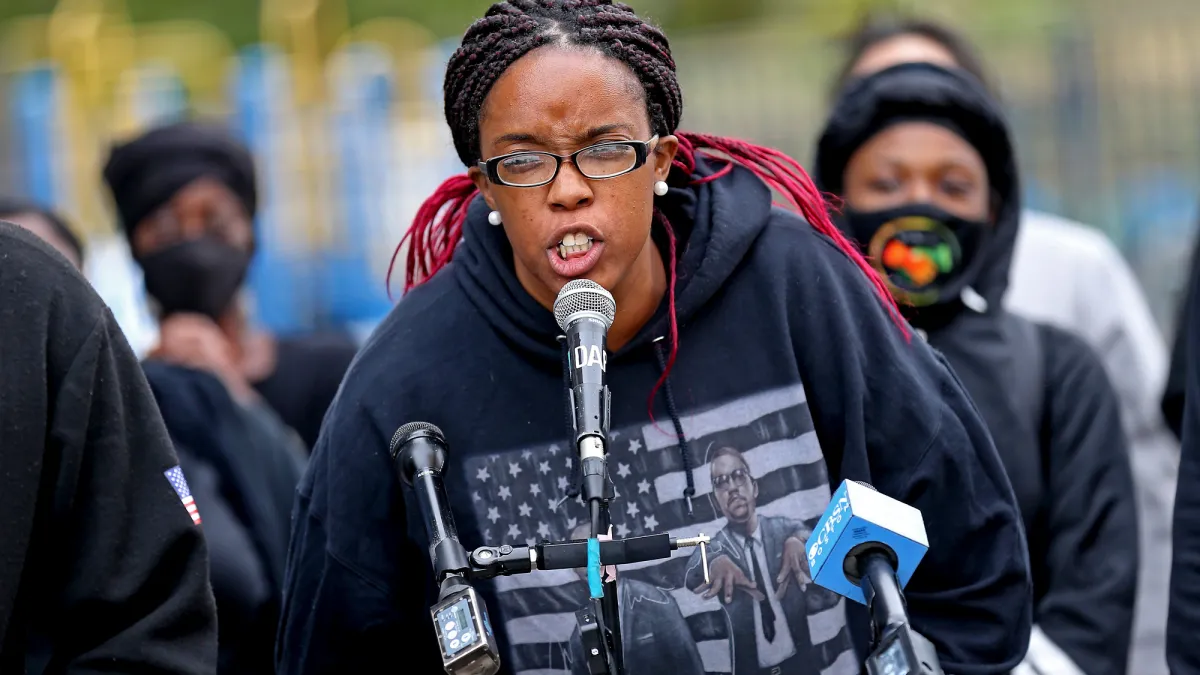
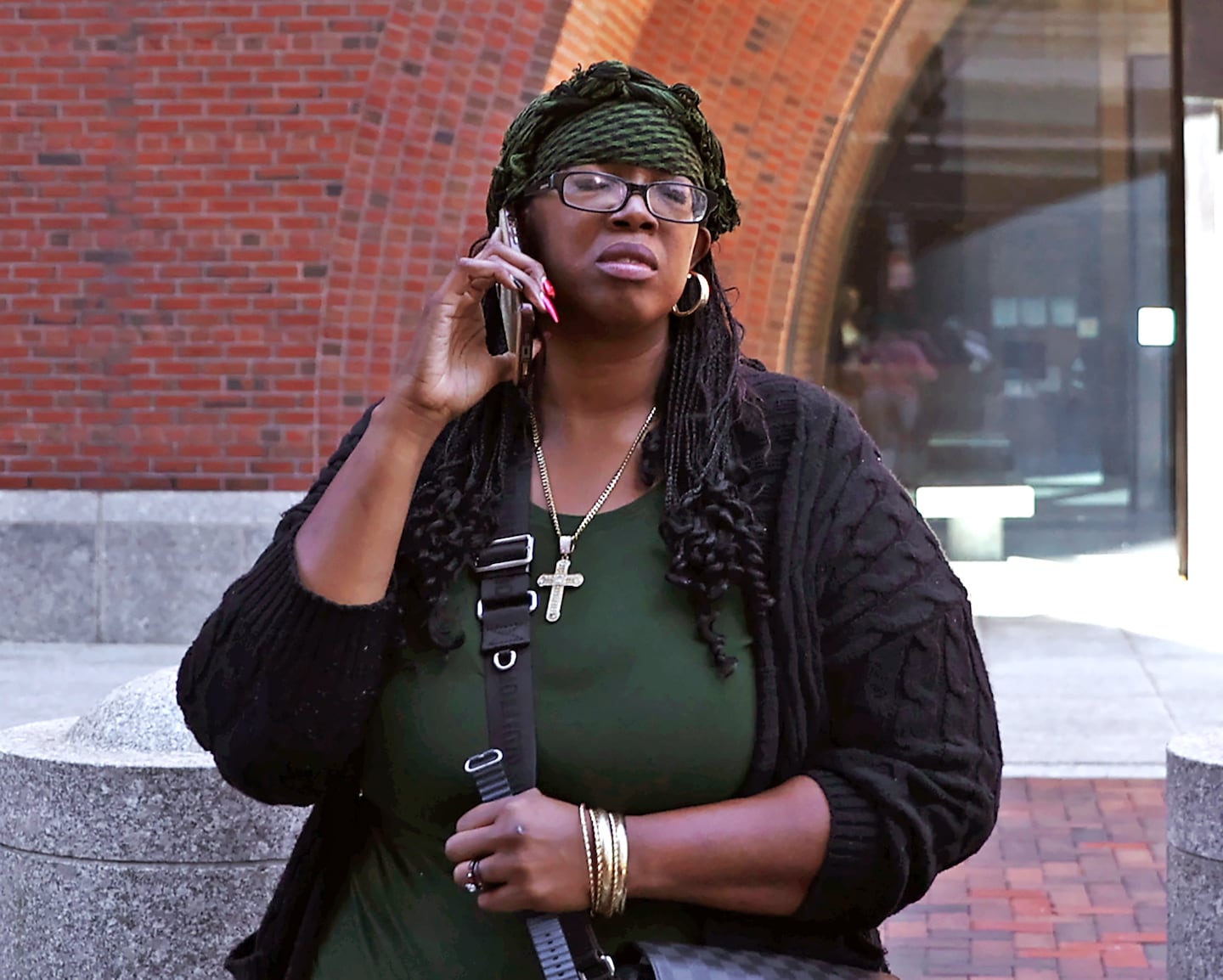
Monica Cannon-Grant
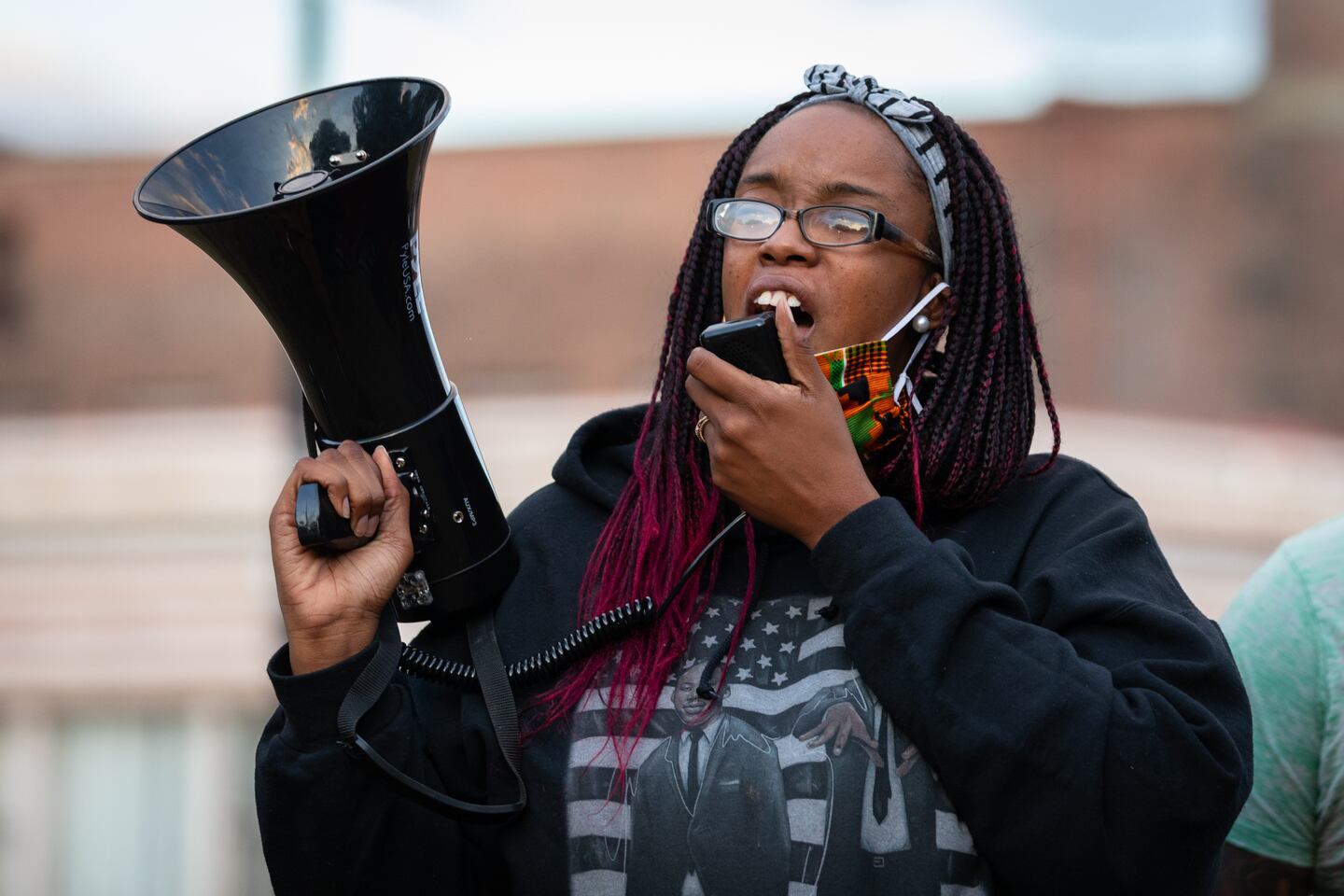
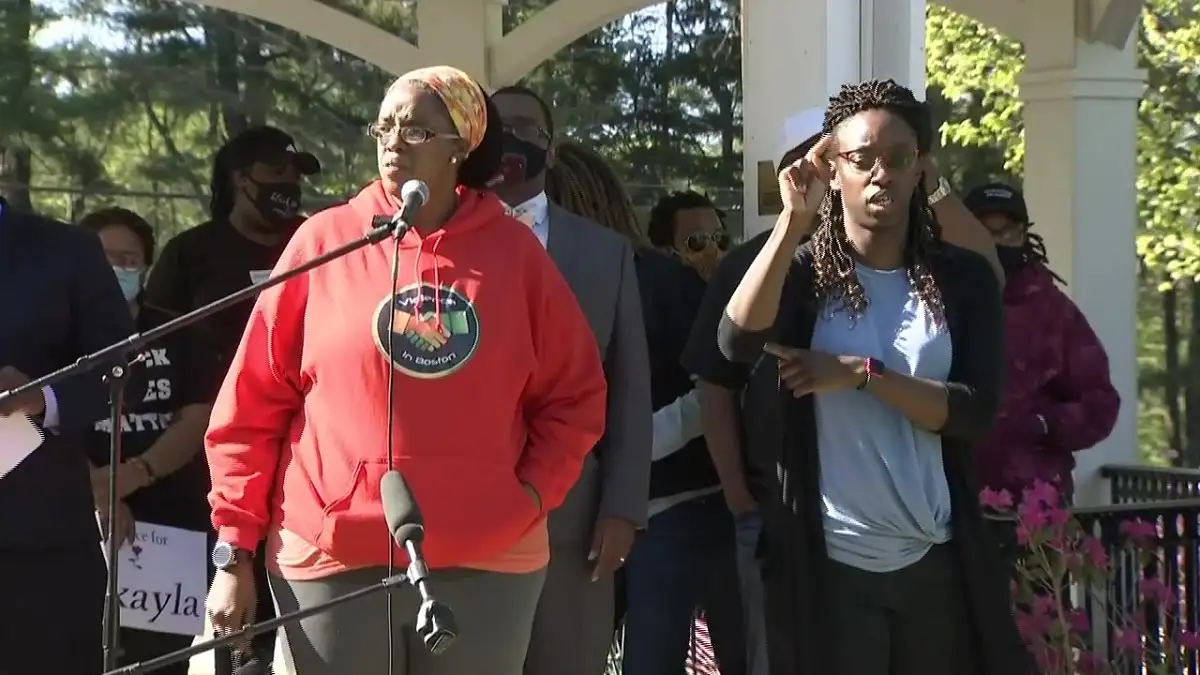
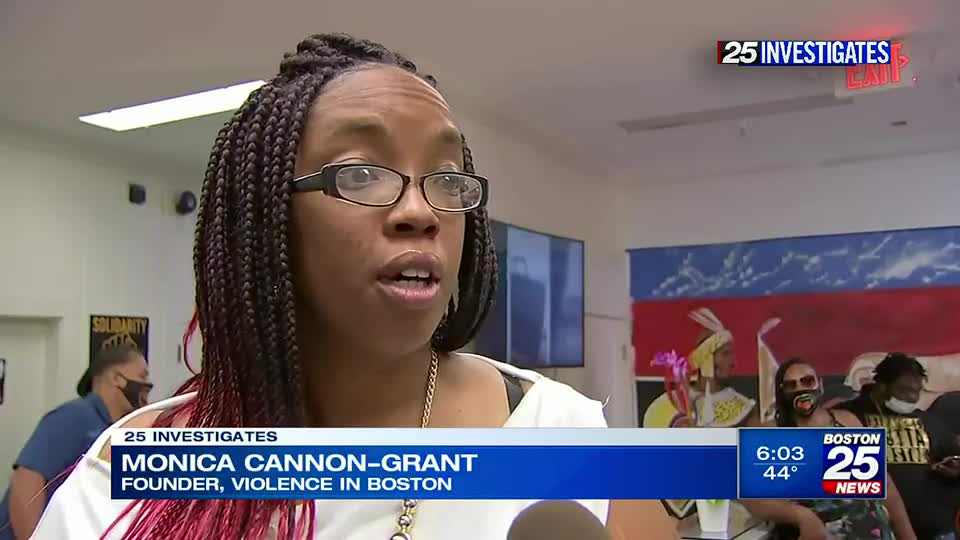
Monica Cannon-Grant, 44, of Taunton, Massachusetts, is a mother of six who rose to prominence as a community organizer in Boston following the 2020 killing of George Floyd. She organized large protests, including a massive march in Franklin Park, and collaborated on distributing over 1,000 free meals daily during the COVID-19 pandemic. For her efforts, she was honored as a Bostonian of the Year by the Boston Globe Magazine and named the city’s “best social justice advocate” by Boston Magazine. Described in a 2020 Boston Globe article as “a firecracker and a mother bear,” she founded Violence in Boston from her Roxbury home in 2017, expanding it to a Hyde Park headquarters by 2020.
Monica’s Role
As founder and former CEO of Violence in Boston, Cannon-Grant represented herself as an uncompensated director to donors and institutions, while secretly diverting funds for personal use. Starting in October 2020, she paid herself a weekly salary of $2,788 without disclosing it to the IRS or state charity division.
Charges and Plea
Cannon-Grant pleaded guilty to the 18 counts, admitting to diverting donor funds, defrauding public programs like the Boston Resiliency Fund and Office of Housing Stability, and tax violations for 2017-2020. During the plea hearing, Judge Kelley confirmed her guilt was voluntary. A request for a remote hearing was denied due to public interest, despite a sealed motion citing sensitive mental health and minor-related information.
Violence in Boston
Organization Background
Violence in Boston (VIB), established in 2017, aimed to reduce violence, raise social awareness, and support community causes in Greater Boston. It gained traction during the 2020 Black Lives Matter movement, raising over $1 million in donations and receiving nearly $60,000 in pandemic relief funds. The nonprofit shut down in 2022 amid the investigation.
Summary of Financial Misconduct by Monica Cannon-Grant
- Methods of Misuse: Funds were diverted through:
- Cash withdrawals
- Checks
- Wire transfers
- Debit purchases
- Personal Expenses Funded:
- Hotels
- Gas
- Restaurants
- Food deliveries
- Nail salons
- Travel
- Rent
- Cellphones
- Auto insurance
- A car for a relative
- Specific Instances:
- Boston Resiliency Fund: Received $53,977; misused by:
- Withdrawing $30,000 in cash
- Depositing $6,200 into personal account
- Paying personal auto loans and insurance
- Suffolk District Attorney’s Office Grant: Received $6,000 for a youth retreat; spent on:
- Maryland vacation (meals at Bubba Gump Shrimp Co. and Shake Shack)
- Car rentals
- Groceries
- Walmart purchases
- Boston nail salons
- Rental Assistance Fraud: Concealed income to obtain $12,600 from Boston’s Office of Housing Stability
- Pandemic Unemployment Fraud: Fraudulently collected $100,000 in unemployment benefits
- Boston Resiliency Fund: Received $53,977; misused by:
- Evidence:
- 2021 text from Cannon-Grant: “Unemployment caught my ass! Asked me to provide documents by June unless I’ll have to pay it all back.”
Funds were misused through cash withdrawals, checks, wire transfers, and debit purchases for personal expenses like hotels, gas, restaurants, food deliveries, nail salons, travel, rent, cellphones, auto insurance, and a car for a relative. For instance, after receiving $53,977 from the Boston Resiliency Fund, Cannon-Grant withdrew $30,000 in cash, deposited $6,200 into her personal account, and paid personal auto loans and insurance. A $6,000 grant from the Suffolk District Attorney’s Office for a youth retreat was instead spent on a Maryland vacation, including meals at Bubba Gump Shrimp Co. and Shake Shack, car rentals, groceries, Walmart purchases, and Boston nail salons. They also concealed income to obtain $12,600 in rental assistance and fraudulently collected $100,000 in pandemic unemployment benefits. Evidence includes a 2021 text from Cannon-Grant: “Unemployment caught my ass! Asked me to provide documents by June unless I’ll have to pay it all back.”
Black Lives Matter Affiliation
Connection to the Movement
Violence in Boston operated under the Black Lives Matter banner but was not directly tied to the broader BLM network. The fraud was isolated to Cannon-Grant’s organization, exploiting the movement’s visibility to attract donations without implicating official BLM entities.
Co-Conspirator: Clark Grant
Involvement
Cannon-Grant’s husband, Clark Grant, was her co-conspirator in the schemes until his death in a March 2023 motorcycle crash in Easton. His charges were dismissed posthumously.
Community Support and Reactions
About 10 friends and relatives attended the plea hearing in support, and Cannon-Grant hugged her mother afterward. While once celebrated as a local activist, the case has highlighted a fall from grace, with mixed community loyalty persisting despite the betrayal.
Quotes and Statements
U.S. Attorney Leah B. Foley stated: “Monica Cannon-Grant repeatedly scammed multiple public financial programs and stole money donated by members of the public who believed their donations would aid in reducing violence and promote social awareness. Instead, Cannon-Grant used donations to satisfy her own greed, while falsely portraying herself as a legitimate nonprofit organizer. She betrayed the trust of everyone who donated and the public who supported her fraudulent charity.” Ketty Larco-Ward, Inspector in Charge of the U.S. Postal Inspection Service’s Boston Division, added: “Ms. Cannon-Grant defrauded several state programs and exploited her position in the community to line her own pockets
Legal and Financial Impact
Each wire and mail fraud charge carries up to 20 years in prison, three years supervised release, and a $250,000 fine; false tax returns up to three years and $100,000; failure to file up to one year and $25,000. Cannon-Grant faces potential imprisonment, restitution, and has damaged trust in her former organization.
Broader Implications
The case underscores vulnerabilities in grassroots nonprofits, particularly during influxes of pandemic funds, emphasizing the need for robust oversight, salary disclosure, and grant verification to prevent similar frauds in social justice organizations. It serves as a cautionary tale for donors and highlights prosecutorial efforts against COVID-19-related fraud.
I get a letter in the mail saying the account has been depleted,” said Louis Capasso, Elena’s dad. “There’s nothing left in there.”
Capasso said his daughter Elena, who has downs syndrome, had $250,000 in a trust account managed by the Center for Special Needs Trust Administration. Every penny he says is gone.
“They don’t see you getting the money back they said,” said Capasso.
His case is far from the only one. According to the centers Chapter 11 bankruptcy filing, we’ve discovered there could be as many as 1,000 people who are missing some or all of their trust money. Investigator Brittany Muller went to speak to the non-profits’ spokesperson, Beth Leythem.
“When something had happened how much money was missing?”
“The amount that we know right now is $100 million,” Leytham said.
“They begin pulling on threads while they still managed the trust fund trying to figure out what it happened here, where has this money gone?” Leytham said.“They contacted the law firms and said we haven’t been able to figure this out internally, we would like you to help us figure it out,” she said.
“He didn’t even care it was kids that he was stealing from,” Capasso said. “That’s what makes it so bad.”
“I would tell them that we are doing everything we possibly can to get that money back where it belongs with them,” Leytham said. “Every legal remedy available to us we are accessing it we are pursuing it.”