Nonprofit Fraud: Latest Cases and AI Prevention Strategies
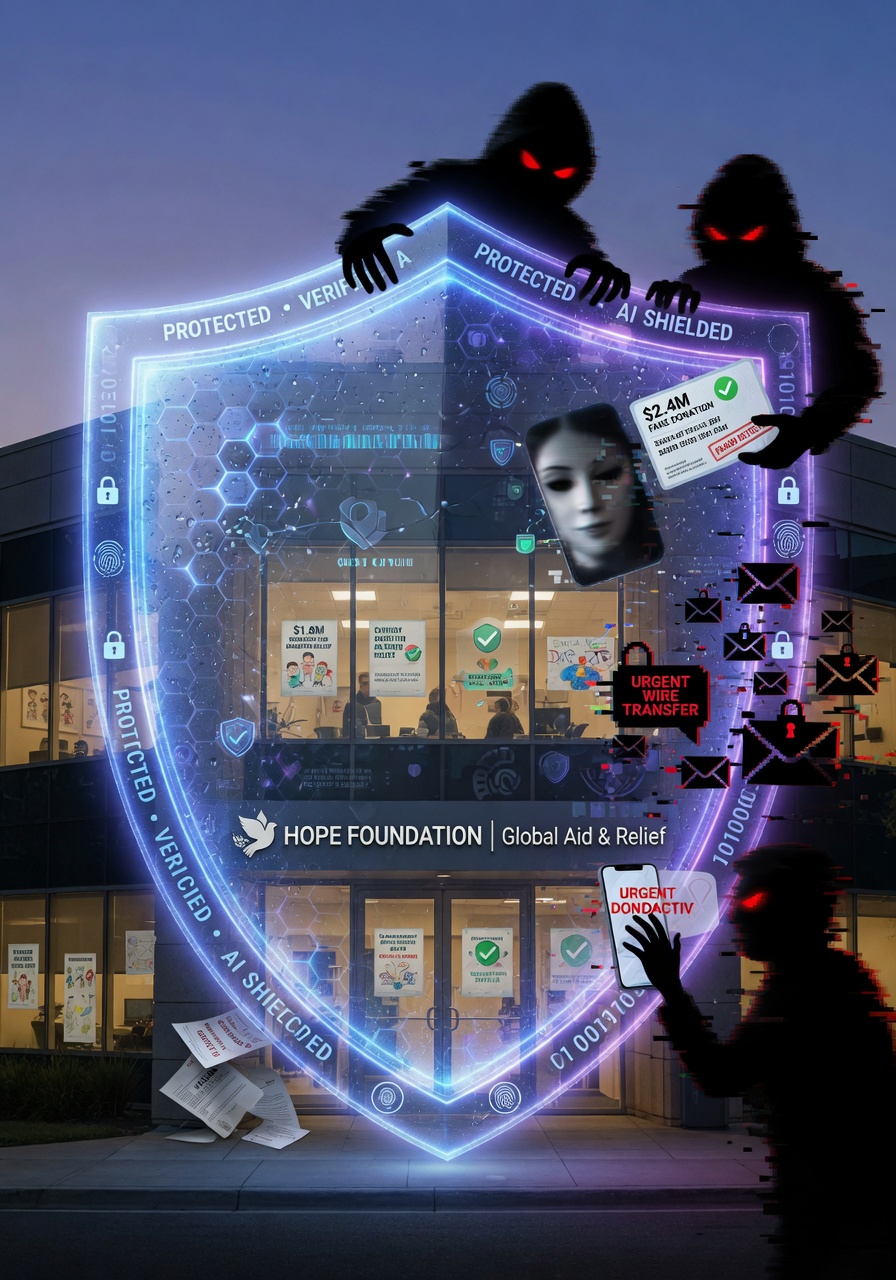
Nonprofit organizations are built on trust. Donors expect their contributions to support meaningful causes rather than line the pockets of dishonest insiders. Yet nonprofit fraud continues to make headlines, eroding public confidence and diverting critical resources from vital missions.
According to various industry reports, fraud in the nonprofit sector results in hundreds of millions of dollars in losses annually. While most organizations operate with integrity, the cases that make the news reveal systemic vulnerabilities that demand attention. This article examines recent American nonprofit embezzlement and charity theft cases while introducing pragmatic AI systems designed to detect and prevent misuse of funds.
Image Grid 1






The Current Landscape of Nonprofit Fraud
Nonprofit fraud typically falls into three categories: asset misappropriation, corruption, and financial statement fraud. Asset misappropriation, particularly embezzlement, remains the most common threat. The 2024 Report to the Nations by the Association of Certified Fraud Examiners found that nonprofits suffer a median loss of $60,000 per fraud case, with some incidents reaching into the millions.
Smaller organizations with limited internal controls are particularly vulnerable. However, recent cases demonstrate that even well-established nonprofits with sophisticated governance structures can fall victim to sophisticated schemes.
Recent High-Profile Nonprofit Fraud Cases
The Wounded Warrior Project Scandal Aftermath
While not a new case, the lingering effects of the 2016 Wounded Warrior Project controversy continue to influence sector-wide scrutiny. More recent incidents have emerged in veterans’ charities, with several smaller organizations facing charges for misrepresenting program spending. In 2023, a Virginia-based veterans nonprofit saw its executive director charged with embezzling over $450,000 through fictitious vendor payments.
Image Grid 2







The United Way of the Midlands Case
In one of the most significant recent cases, a former CFO of United Way of the Midlands in Omaha was convicted in 2024 of embezzling more than $950,000. The executive created fake invoices and used organizational funds for personal expenses, including luxury vehicles and home renovations. This case highlighted vulnerabilities in financial oversight even at established United Way chapters.
California Charity CEO Convicted in $4.7 Million Scheme
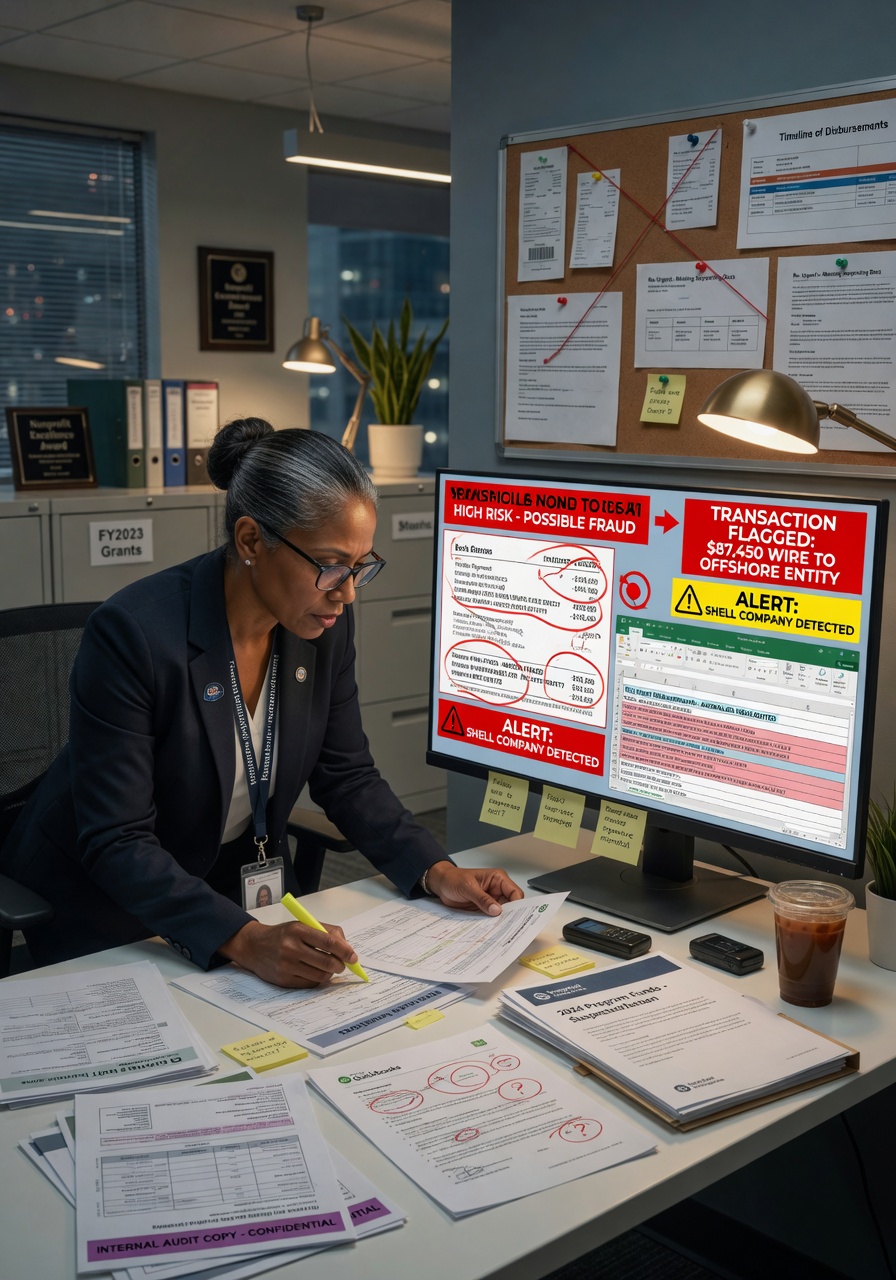
In late 2023, the former CEO of a prominent California environmental nonprofit was sentenced to seven years in federal prison for embezzling $4.7 million. The executive used sophisticated methods including wire transfers to shell companies and falsified grant reports. The scheme went undetected for nearly five years, demonstrating the limitations of traditional auditing approaches.
The Church and Charity Connection
Religious and faith-based nonprofits have also faced significant challenges. In 2024, a youth ministry organization in Texas discovered its founder had diverted over $2.1 million in donations to personal accounts over a six-year period. The fraud was only discovered when an AI-powered financial monitoring system was implemented during a technology upgrade.
Common Methods of Nonprofit Embezzlement
Perpetrators typically exploit weaknesses in financial controls through several common methods:
- Fictitious vendors: Creating fake companies and submitting invoices for nonexistent services
- Expense reimbursement fraud: Submitting personal expenses as mission-related costs
- Payroll fraud: Creating ghost employees or inflating hours for complicit staff
- Wire transfer manipulation: Diverting electronic payments to personal accounts
- Donor restriction violations: Using funds designated for specific programs for unrelated expenses
Why Traditional Prevention Methods Fall Short
Despite implementing internal controls, many nonprofits continue to experience fraud. Annual audits, while valuable, occur too infrequently to catch ongoing schemes. Segregation of duties often breaks down in smaller organizations with limited staff. Executive override of controls remains a persistent vulnerability, as many fraud cases involve senior leadership.
Furthermore, the increasing sophistication of fraudsters, coupled with the complex financial ecosystems of modern nonprofits, has rendered many traditional detection methods obsolete. This reality has prompted forward-thinking organizations to explore artificial intelligence as a powerful ally in the fight against nonprofit fraud.
How AI is Transforming Fraud Detection in Nonprofits
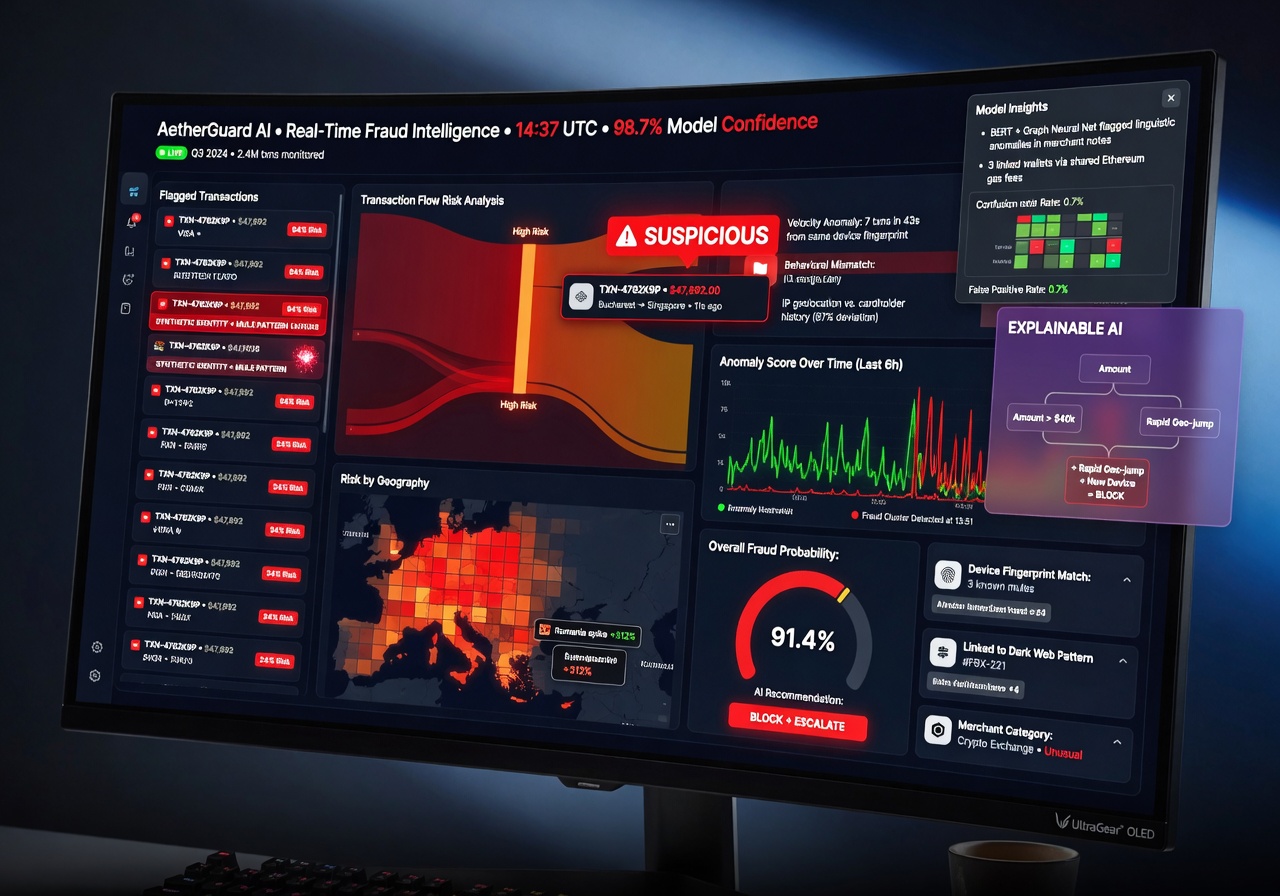
Artificial intelligence offers several distinct advantages for preventing nonprofit fraud. Unlike traditional rules-based systems, AI can identify subtle patterns and anomalies that might escape human detection. Machine learning algorithms improve over time, adapting to new fraud techniques as they emerge.
Key AI-Powered Prevention Technologies
1. Anomaly Detection Systems
AI systems can analyze thousands of transactions in real-time, flagging unusual patterns such as:
- Payments to new vendors that deviate from established spending patterns
- Irregular timing of transactions (particularly those occurring outside business hours)
- Unusual geographic locations for vendor payments
- Expense patterns that differ significantly from peer organizations
2. Predictive Analytics for Risk Assessment
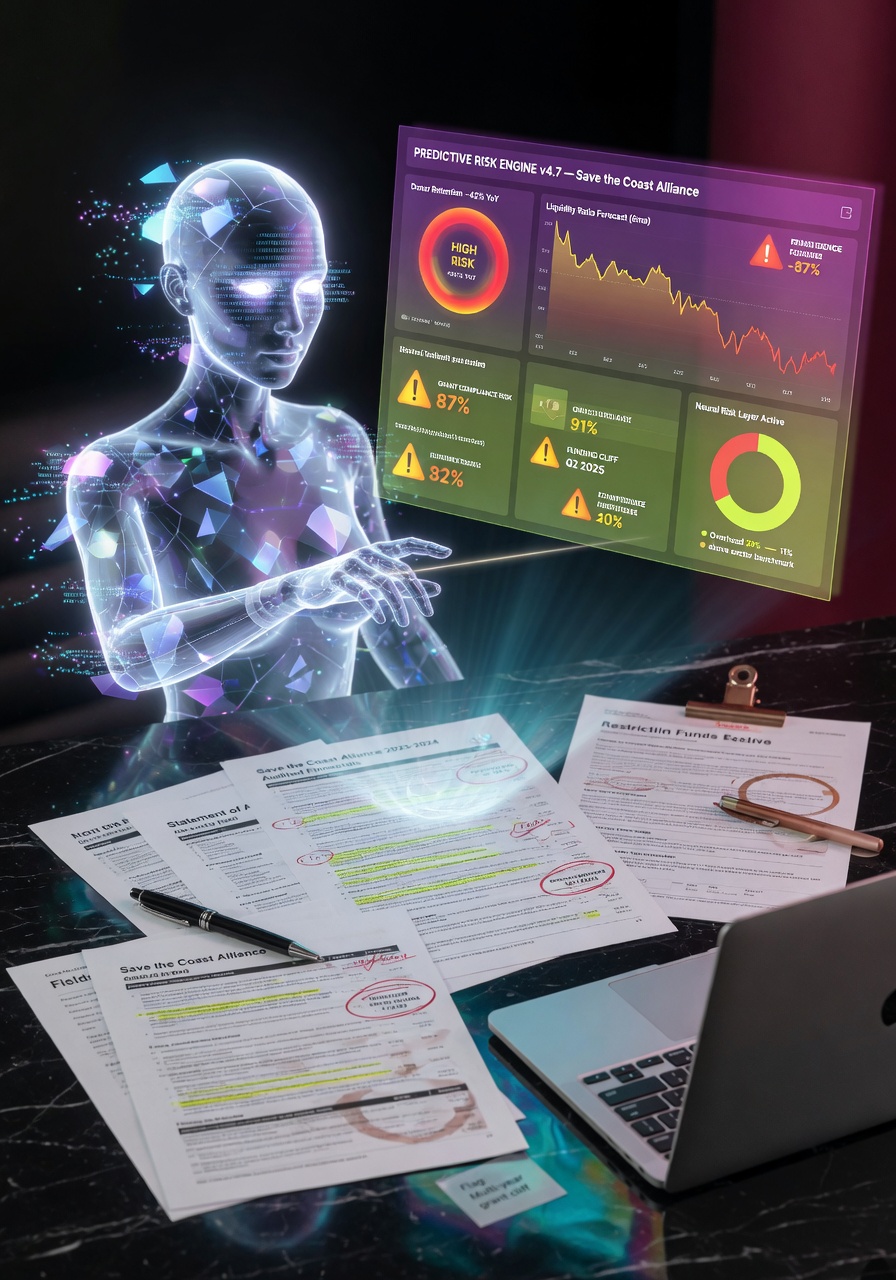
Advanced AI models can assess organizational risk factors and predict which departments or individuals might present higher fraud risks. These systems analyze factors including staff turnover, financial pressure indicators, and control environment strength.
3. Natural Language Processing for Document Verification
NLP technology can analyze contracts, invoices, and financial documents to identify inconsistencies or signs of forgery. This capability is particularly valuable for grant compliance and donor restriction monitoring.
4. Behavioral Biometrics and Access Monitoring
AI can monitor how users interact with financial systems, identifying suspicious behavior patterns that might indicate compromised accounts or insider threats.
Implementing AI Fraud Prevention: A Practical Guide
Nonprofits don’t need massive budgets to implement effective AI solutions. Several pragmatic approaches are available:
Cloud-Based AI Monitoring Services
Many organizations are turning to specialized fintech companies that offer AI-powered financial monitoring as a service. These platforms integrate with existing accounting systems and require minimal technical expertise to implement.
Hybrid Human-AI Approaches
The most effective systems combine artificial intelligence with human oversight. AI handles continuous transaction monitoring while finance committees and board members review flagged items requiring contextual understanding.
Building an AI-Ready Culture
Successful implementation requires more than technology. Organizations must develop policies that support AI recommendations, train staff on new systems, and create clear escalation procedures for flagged transactions.
The Future of Nonprofit Financial Transparency
Looking ahead, several trends are likely to shape the intersection of nonprofit fraud prevention and artificial intelligence:
- Increased adoption of blockchain for transparent donation tracking
- Real-time donor dashboards showing exactly how contributions are being used
- AI-assisted predictive budgeting that identifies potential future compliance issues
- Collaborative industry databases that help organizations identify fraud patterns across organizations
At NFTransparency.com, we believe technology should serve as a foundation for greater accountability in the nonprofit sector. Our platform combines AI monitoring with intuitive reporting tools designed specifically for mission-driven organizations.
Conclusion: Balancing Innovation with Mission
Nonprofit fraud represents a serious threat to the sector’s credibility and effectiveness. However, organizations that embrace AI-powered prevention strategies can significantly reduce their vulnerability while building greater donor confidence.
The most successful nonprofits will be those that view technology not as a replacement for human judgment but as an enhancement to their ethical framework. By combining robust internal controls, ethical leadership, and intelligent AI systems, nonprofits can protect donor resources and ensure that funds reach the causes they were intended to support.
As artificial intelligence continues to evolve, its role in safeguarding the nonprofit sector will only grow. Forward-thinking organizations are already implementing these solutions, setting new standards for transparency and accountability that will define the future of charitable work.
The question is no longer whether nonprofits should adopt AI fraud prevention tools, but how quickly they can implement these critical safeguards to protect their missions and maintain the public trust they depend upon.